
Urgent Care & Emergency
If an urgent or emergency situation arises when we’re closed, our trusted partner facilities are open and ready to help your pet.
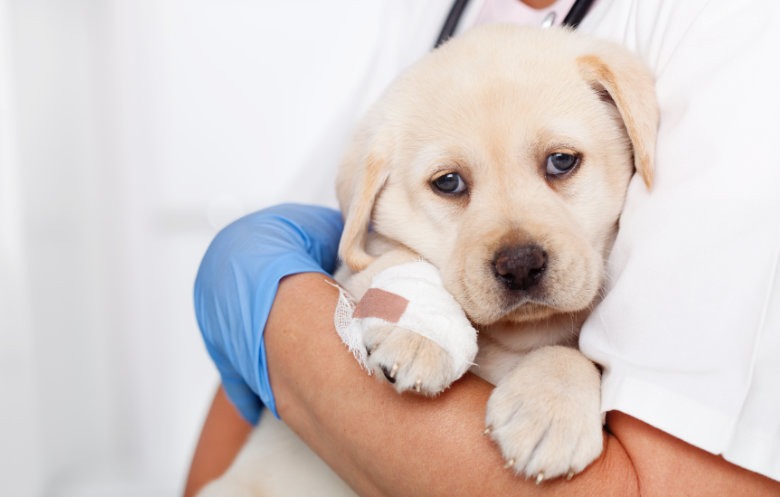
EMERGENCY
- VEG Dublin 380.235.6233
- MedVet Worthington 614.846.5800
- OSU Veterinary Columbus 614.292.3551
- COVE Delaware 740.481.2683
PET POISON INGESTION
- ASPCA Animal Poison Control Center 1-888-426-4435
- Pet Poison Helpline 1-800-213-6680

VEG Dublin
Veterinary Emergency Group (VEG) Dublin
3800 Tuller Rd, Dublin, OH 43017
380.235.6233

MedVet Columbus
300 E. Wilson Bridge Rd. Worthington, OH 43085
614.846.5800

The Ohio State University Veterinary Medical Center
601 Vernon L. Tharp St, Columbus OH 43210
614.292.3551

Cove Pet Care
585 Sunbury Rd., Delaware, OH 43015
740.481.2683
Urgent Care vs. Emergency Care - What’s the difference?
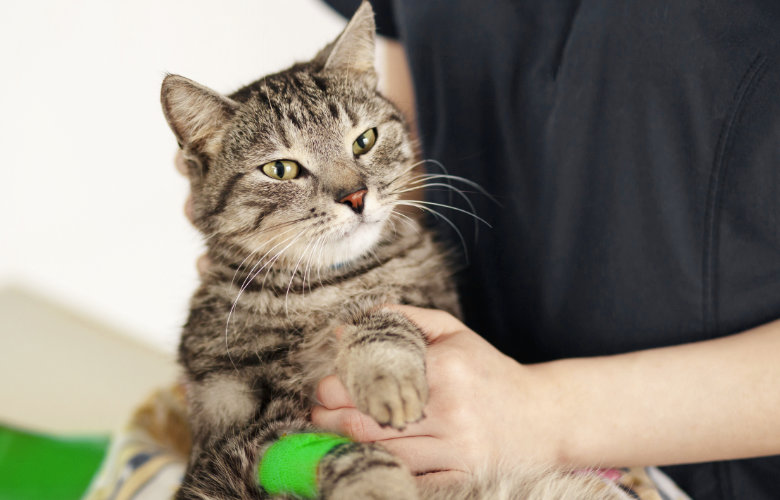
Urgent Care involves serious medical concerns where your pet requires prompt attention but are not immediately life-threatening.
Goal: To evaluate, treat, and prevent the condition from getting worse before it turns into an emergency.
Urgent Care Examples:
- Minor cuts or scrapes
- Vomiting or diarrhea that started recently
- Painful ear infections
- Mild allergic reactions
- Limping or minor injuries
- Anal gland
Veterinary Emergency Care is needed when your pet is experiencing a potentially life-threatening situation and requires immediate medical intervention where every minute counts.
Goal: To stabilize your pet, save their life, and provide critical interventions including anesthesia and surgery.
Veterinary Emergency Examples:
- Difficulty breathing
- Seizures or collapse
- Severe trauma (hit by a car, deep wounds)
- Poisoning or ingestion of toxic substances
- Severe bleeding or choking
What if my pet has ingested something toxic?
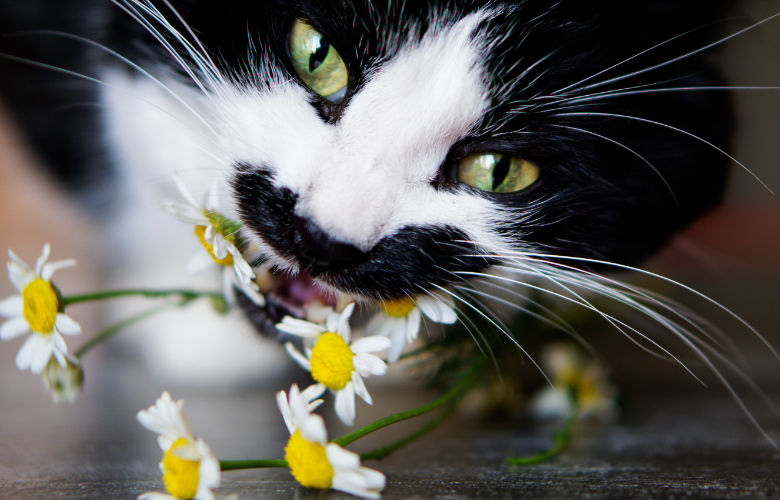
If your pet has ingested a poison, medication, plant, or foreign substance, please contact a Pet Poison Control Center immediately. These 24/7 hotlines are staffed by veterinary toxicology experts who can quickly assess your pet’s risk and guide you on what to do next. Please note that a consultation fee applies, as this service provides rapid, case-specific advice that can make a lifesaving difference for your pet.
Pet Poison Experts will:
- Assess the risk based on what your pet was exposed to, how much, and your pet’s size/health
- Tell you if it’s an emergency or something that can be monitored
- Guide you on immediate next steps before you even reach a veterinary facility
- Work directly with your veterinarian to provide specific treatment recommendations for your pet
These centers maintain large, up-to-date databases on toxins including:
- Human and veterinary medications
- Household chemicals and cleaners
- Plants (indoor and outdoor)
- Foods toxic to pets (like chocolate, xylitol, grapes, etc.)
- Insecticides, rodenticides, and more
Because toxin cases are very time-sensitive, calling poison control right away can save critical time and sometimes save your pet’s life.

1-888-426-4435

1-800-213-6680